Attacks that manipulate rather than steal
Instead of stealing information, many current attacks manipulate the identity validation process itself. This includes creating synthetic identities by combining real and fictitious data, using deepfakes to simulate human presence, or employing social engineering techniques that trick users into granting access or providing information without realizing they are being manipulated.
In these cases, there is no stolen document in the traditional sense; rather, a trust-based process has been exploited.
The role of artificial intelligence
Artificial intelligence has significantly lowered the technical barrier to carrying out these types of attacks. Generating a synthetic facial image, a realistic-looking video, or a visually convincing document no longer requires advanced expertise. This has expanded the pool of actors capable of attempting to compromise an identity process without needing access to previously stolen information.
Recent analyses of fraud in financial services identify a sustained rise in attacks that combine synthetic content with social engineering, rather than relying exclusively on data stolen in past breaches.
Examples of these types of attacks
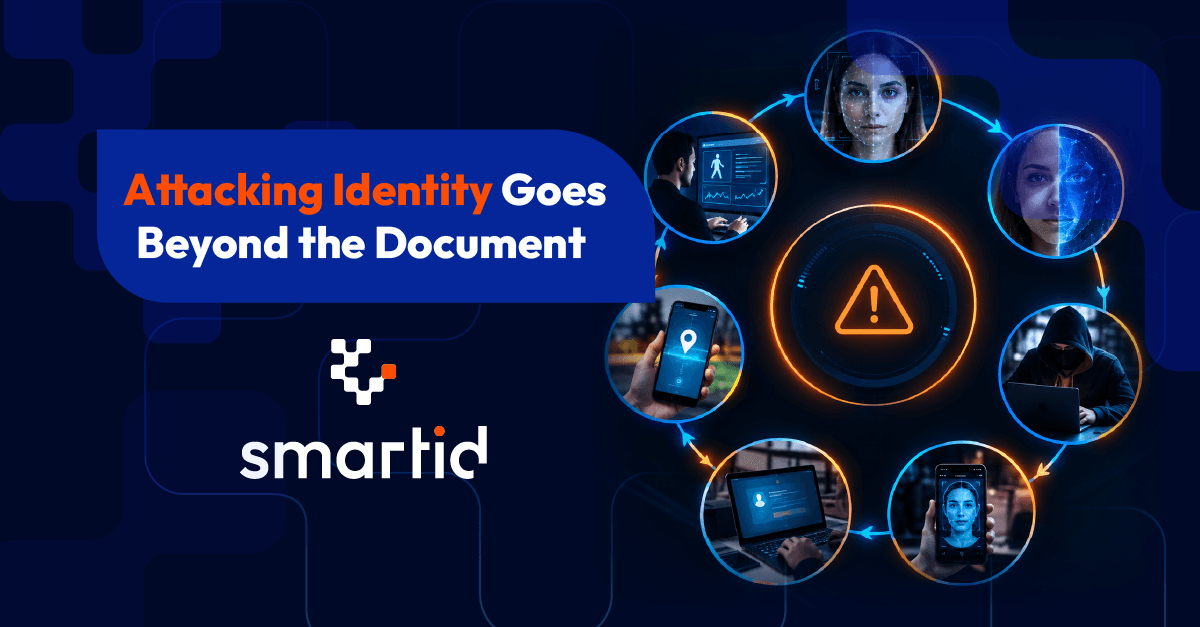
Prominent examples include synthetic identities, constructed to appear legitimate from the outset; presentation attacks, where biometric characteristics are simulated using photos, videos, or masks; account takeovers via social engineering, where the legitimate user unwittingly grants access; and the manipulation of device or behavioral signals to simulate normal activity for detection systems.
In all these cases, the attacker does not need to "steal" an existing identity: they can fabricate one, simulate one, or manipulate the process to make an illegitimate identity appear valid. Why traditional controls aren't always enough
Many security controls were designed with the primary goal of detecting information theft—such as leaked passwords, forged documents, or unauthorized access patterns. However, when an attack involves the subtle manipulation of a process rather than explicit theft, these controls may fail to trigger in time.
This compels organizations to take a broader approach to identity assessment: looking beyond whether data was stolen to determine whether the signals surrounding an interaction actually make sense.
Rethinking what it means to "attack an identity"
Identity fraud is no longer limited to data theft; it now encompasses the fabrication, simulation, and manipulation of trust-based processes. Understanding this evolution is the first step for organizations to shift their focus away from data theft alone and begin evaluating the overall integrity of each digital identity.
Stay one step ahead of fraud
Subscribe to receive a new article every Wednesday featuring analysis on fraud prevention, digital identity, and emerging threats. You can also schedule a meeting with our product specialists to learn how SmartID detects these patterns beyond the scope of traditional data theft.