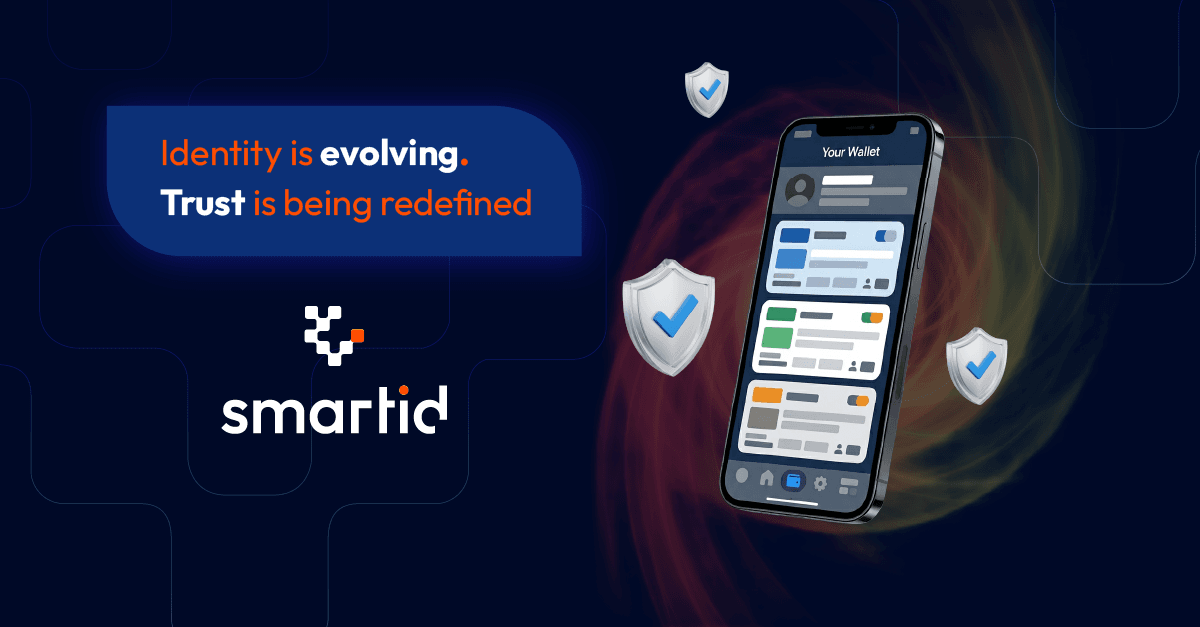
Digital identity is no longer just a verification layer; it's becoming critical infrastructure.
In Latin America and globally, governments, financial institutions, and digital platforms are moving toward digital identity wallets based on verifiable credentials. This model allows users to store, control, and reuse their identity across multiple services, redefining how trust is built in digital ecosystems.
From Verification to Identity Ownership
For years, digital identity has been fragmented:
- each platform stores its own version of the user
- onboarding processes are repetitive
- credentials can be stolen or reused
Wallets introduce a structural change: a portable, reusable, and user-centric identity based on cryptographically signed, verifiable credentials.
This allows an identity to be validated once and reused across different services, reducing friction and improving the user experience.
Interoperability: The Key Challenge
The biggest challenge is not adoption, but interoperability.
To scale, these wallets must work across countries, regulations, industries, and providers. This requires not only technical standards, but also frameworks of trust and clarity on responsibilities.
Without this coordination, there is a risk of creating new silos instead of connected ecosystems.
LATAM: Opportunity with Risk Pressure
The region combines high digital adoption, fintech growth, and persistent fraud challenges.
This drives the adoption of more efficient identity models, which can:
- improve onboarding
- enable financial inclusion
- facilitate cross-border services
But it also introduces new risks if identity is reused without context.
- The Limit of Verifiable Identity
- A credential may be valid.
- A wallet may be legitimate.
But that doesn't guarantee that the interaction is trustworthy.
Wallets primarily solve the initial KYC, but not ongoing trust. Risks persist, such as:
- Account takeover
- Automated use of credentials
- Synthetic identities
- Identity reuse across multiple services
The future of trust: identity + context
Wallets transform identity from static to portable and reusable.
But the next step is to incorporate context:
- Device
- Environment
- Behavior
- Identity consistency over time
Because in today's digital ecosystems, trust depends not only on knowing who the user is—but on understanding how they interact.
Therefore, digital identity wallets will play a key role in Latin America. But their true potential is reached when combined with real-time risk intelligence.
In this context, solutions like SmartID provide an additional layer of intelligence by analyzing digital identity beyond initial verification, incorporating device, environmental, and behavioral signals to strengthen real-time risk assessment.