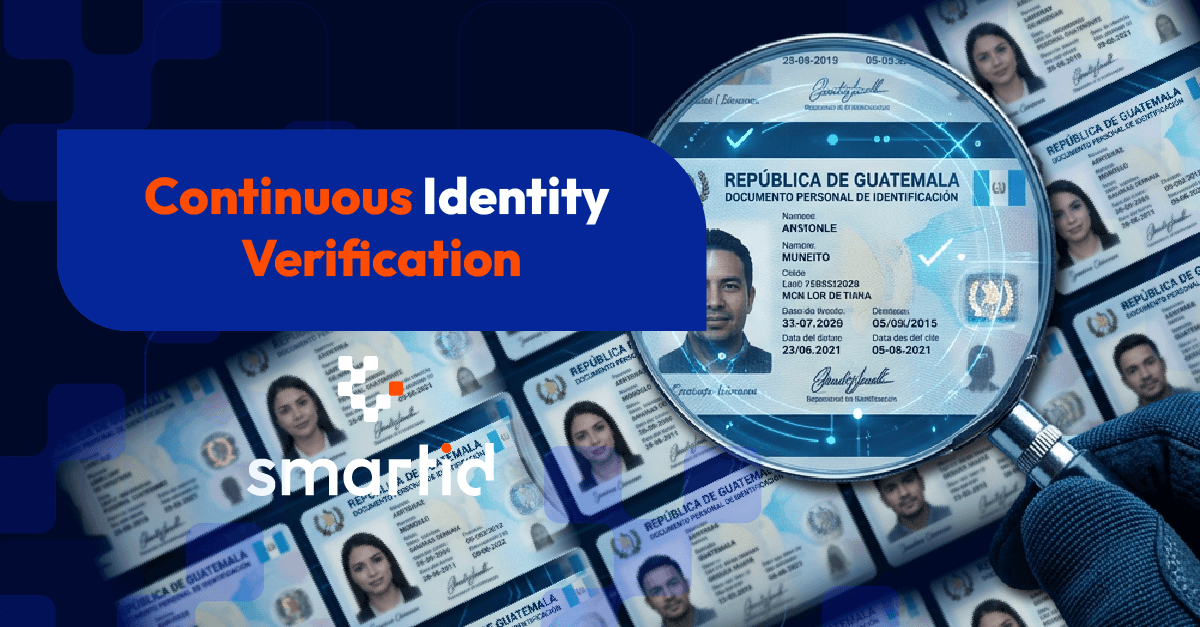
A valid document is not synonymous with a trustworthy identity
A document can be authentic and still be associated with a high risk. It could be a stolen or compromised identity, one used in multiple previous frauds, or linked to suspicious behavior patterns in other contexts. Document validity confirms a piece of information; identity risk evaluates the entire context surrounding that information.
What exactly is identity risk?
Identity risk is the probability that an identity, even if it appears legitimate on the surface, represents a fraud threat, based on the set of surrounding signals: usage history, relationship with other devices or accounts, digital behavior, speed of requests, consistency across channels, and presence on previously identified risk lists or patterns.
Unlike document verification, which answers a binary question (valid or invalid), identity risk is expressed as a spectrum: an identity can be technically valid and, at the same time, have a high, medium, or low risk level depending on the context.
Signs that build the risk profile
Among the factors that typically inform an identity risk assessment are: the age of the data (a newly created identity may require more scrutiny), the relationship between the same device and multiple identities, unusual speed patterns in account creation, inconsistencies between contact channels, and behavioral signals that do not match the declared profile.
Recent studies on financial fraud show that a significant portion of losses stems not from forged documents, but from technically valid identities that, when analyzed in context, revealed multiple risk signals that were overlooked.
Why this changes decision-making
Assessing identity risk allows for more nuanced decisions than a simple "approve or reject." A medium-risk identity, for example, may require additional verification rather than automatic rejection, reducing friction for legitimate users without opening the door to fraud.
This is especially relevant for financial institutions seeking to balance user experience with protection: not all identities require the same level of scrutiny, but all should be assessed with the same level of context.
From document to ecosystem of signals
The conclusion is clear: a valid document is a starting point, not a guarantee. Assessing identity risk involves observing the entire ecosystem of signals surrounding an identity, not just whether its data is correct, but whether its behavior, context, and history are consistent with a legitimate, low-risk identity.
Stay one step ahead of fraud